6 Reasons I Fell In Love With SUP (After Believing For Years I Would Hate It)
Act I: The Unbeliever
or “Why on earth would you want to stand up on a board in the middle of a lake?”
Stand-up paddleboarding (SUP) has been everywhere for years, and I’ll be the first to admit:
I was a total skeptic.
My immediate reaction was always, What is the point? If I want to be in the water, I’ll swim. If I want to travel across the water, I’ll take a boat. What is the purpose of standing on a board if you can’t even move fast? To be completely honest, I thought it looked a little lame (sorry!) and unnecessarily inefficient (SORRY!).
It didn't feel like a high-value way to spend my free time. It’s almost embarrassing to admit that I was viewing a peaceful leisure activity through the lens of efficiency, but that was my default setting: an ambitious mind running on autopilot, measuring every moment by output.
Then came our year abroad in Canada. We rented a remote cabin tucked away on a serene lake. The property came with two watercrafts: a single-person kayak (yay) and… a SUP (yay???).
Driven purely by boredom and a lack of options, I finally stepped onto the board.
Big surprise: I fell completely, head-over-heels in love with it.
Here is how an absolute skeptic did a total 180° turn - and why stand-up paddleboarding became my ultimate masterclass in intentional living.
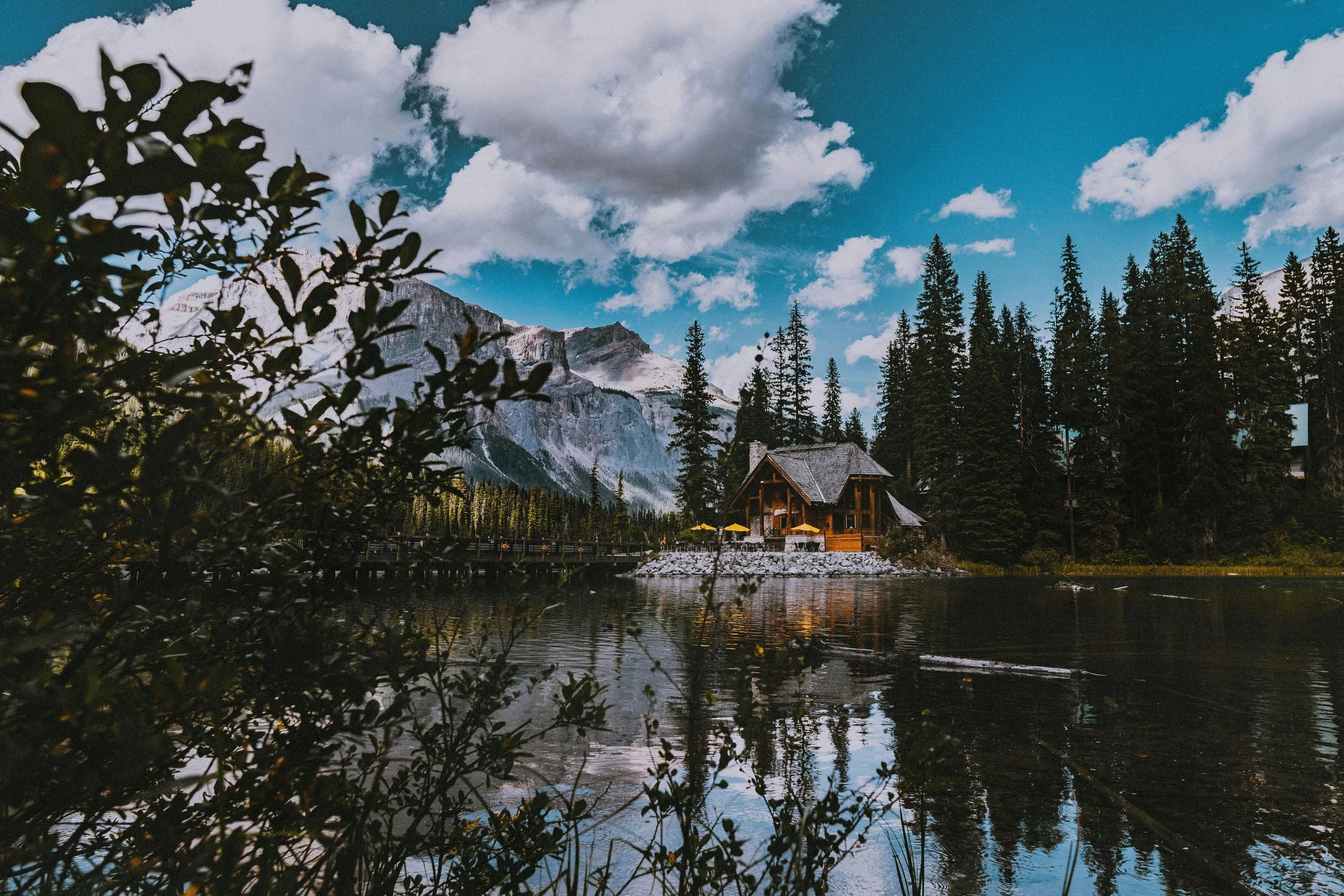
How it could have looked like…
Act II: The Shift
or “the 6 reasons stand-up paddleboarding captured my heart”
1. It is literal therapy for a hyper-active mind
There is a quiet magic to drifting over open water—it instantly silences mental noise. As the board moves slowly across the surface, your nervous system settles, giving your thoughts room to untangle naturally. It provides a deep mental reset that feels less like a sport and more like a somatic grounding practice.
2. It offers an intentional, scalable full-body workout
I initially assumed SUP was entirely passive, but it demands subtle, highly intentional balance. Your core, legs, and stabilizer muscles are active the entire time. It’s wonderfully scalable: paddle hard against the current for a invigorating sweat, or keep it light and fluid—the definition of high-leverage movement.
3. Unmatched physical freedom on the water
Unlike a kayak or canoe where you are locked into a seated position, a SUP gives you complete autonomy. You can stand tall, drop to your knees, sit cross-legged, or lie flat on your back under the sun. You dictate how your body experiences the water, moment by moment.
4. The art of non-doing (unlearning "hustle mode")
My favorite feature: pulling the paddle out of the water and simply floating with the current. SUP physically interrupts the hustle-mentality and grounds you directly into the present. It’s a beautiful, physical lesson in learning to slow down and enjoy the ride.
5. Seamless, frictionless access to the water
If you get too warm, there’s no clumsy boat edge to navigate—you simply step off the board into the lake. Getting back onto a SUP in deep water is effortless and stress-free compared to a kayak. It completely removes the friction between being on the water and being in the water.
6. A floating space for connection and digital detox
The board is surprisingly stable—sturdy enough to host a floating mini-picnic or a quiet morning coffee. It turns a simple afternoon into an intentional date with my husband or a peaceful sanctuary to connect deeply with a friend, far away from digital noise and notifications.
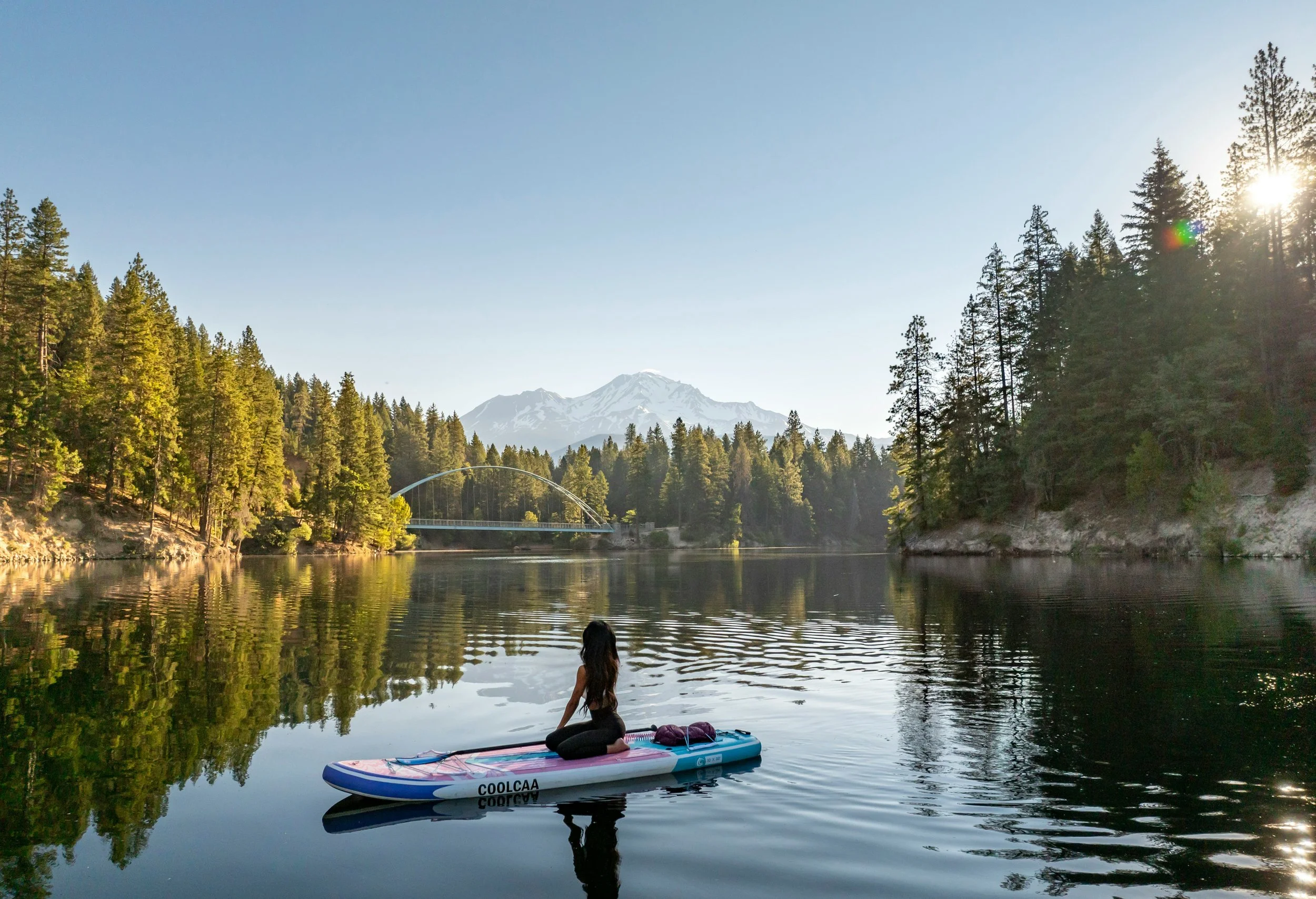
Truly felt like this!
Act III: The Advocate
or "Why your ambition needs a little space to float"
Why did I resist SUP for so long?
Because my old, autopilot mindset insisted that everything needed a productive outcome, a rapid pace, or a tangible destination. Falling in love with paddleboarding wasn't just about a new outdoor activity; it was a profound lesson in unlearning the compulsion to constantly move fast.
It reminded me that sometimes, the true destination is the present.
Ready for more?
Make sure to check out my Complimentary Resources - for the ambitious woman designing a life on her own terms.